Sudden Unexpected Death in Epilepsy, or SUDEP is a term used when a person with epilepsy suddenly dies and the reason for the death is not known. The cause of SUDEP is unknown. Post mortem examination usually reveals no abnormalities in victims.Great. The napatorium just was redecorated in crypt.
Of those who die from SUDEP, it is most common in people who have generalised tonic-clonic seizures, especially in young adults. The most important 'risk factors' seems to be poor seizure control, and seizures occurring during sleep.
Applied Neurology describes the difficult role health care providers face when educating patients or condoling family members after an unexpected death.
It's a delicate subject, and some patients do not want to know that they are at risk for sudden unexpected death. The question is, does knowing serve a purpose? "When I talk to my epileptic patients, I highlight the risk of injury and accident with potentially fatal consequences," said Michael Sperling, MD, the Baldwin Keyes Professor of Neurology at Thomas Jefferson University and director of the Jefferson Comprehensive Epilepsy Center in Philadelphia. Sperling advises patients, for example, to avoid rock climbing and not to swim without a lifeguard nearby. "But to say, 'By the way, you could suddenly die, we won't know why, and there's nothing I can do about it'-I don't think that serves any useful purpose," he said.
How much should physicians tell patients about the risks of their conditions? Indecision may be bolstered by inaccuracies in data about SUDEP.
Apodaca writes:
In one American study a SUDEP rate of 1 in every 370 people with epilepsy has been suggested. (Leetsma et al 1989). It is however a fact that, through ignorance and misunderstanding - few doctors and even fewer coroners are aware of SUDEP - epilepsy related deaths have often not been accurately recorded and the exact number of deaths falling within the category of SUDEP is not known. By declaring a death resulting from a bath-time seizure as ‘drowning’, or a fatal nocturnal seizure as ‘suffocation’, and by not mentioning the epilepsy connection, valuable research data is being lost.
Personally, I want to know more rather than less. Accurate and comprehensive information helps me avoid inventing explanations to fill the gaps. I'm creative and can find reasonable sounding rationalizations that are about as real as intelligent design.
Certainly unexpected and sudden death is a terrifying prospect but so are many other aspects epilepsy. Individuals should be given access to correct medical information and retain control over how to mentally and emotionally process it. Having an incurable disease does not make you helpless or stupid. Being treated as incapable of facing difficult information is demeaning.Death comes to us all. Knowing risks associated with a disease at least gives you the opportunity to prepare loved ones, make legal arrangements and make informed decisions about risky activities.
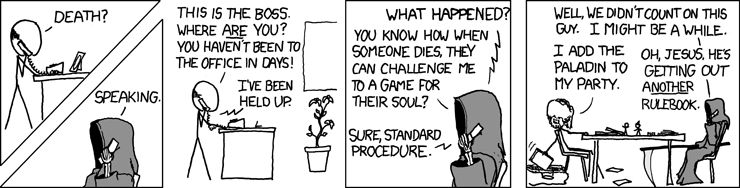
But of course, I have a backup plan to thwart death: